Smart Cities and Infrastructure: How AI, Digital Twins, Smart Grids, and Real-Time Data Are Reshaping Urban Life


Why Are Smart Cities Becoming Impossible to Ignore?
I see smart cities very differently than most people do. Many still treat them like a futuristic concept. I do not. I see them as a practical and inevitable evolution of how cities operate.
This is not about adding flashy technology for its own sake. It is about using certainty to improve what already exists. Cities are under pressure to reduce congestion, lower energy waste, improve safety, and extend the life of aging infrastructure. Those pressures are not going away.
What has changed is our ability to respond. Sensors are now much cheaper, connectivity is faster, computing power is more available, and artificial intelligence is more usable. When those Hard Trends converge, cities move from reactive management to real-time awareness.
That shift matters more than most leaders realize. Once a city can see problems soon, it can solve them more quickly. That immediately reduces cost, lowers risk, and improves daily life for everyone who lives and works there.
Why Does Smart City Technology Matter to Your Everyday Life?

When people hear the phrase smart city technology, they often think in abstract terms. I think it is a mistake to think in this way. This is personal. It affects your commute, your utility bill, your safety, and even the reliability of the roads, bridges, and water systems you depend on.
A smarter traffic system means less time sitting at red lights that do not reflect actual road conditions. A smarter grid means faster outage detection and better energy balancing. Smarter infrastructure means a city can spot failure earlier instead of waiting for a visible crisis.
That is the real story. Smart cities are not about replacing the physical city; they are about making the current city work better.
The biggest advantage is not technology alone. It is the ability to anticipate instead of react. That is where measurable value begins.
What Hard Trends Are Driving the Future of Smart Infrastructure?

I always start with certainty. And in this case, the certainty is clear. Several technology-driven Hard Trends are accelerating at the same time.
Here is what is driving the smart city transformation:
Sensors are becoming less expensive and more widespread.
Connectivity is becoming faster, more stable, and more continuous.
Computing, cloud platforms, and AI are making real-time analysis far more practical.
Those three shifts alone change everything. For years, cities collected data but could not act on it fast enough. Data sat in silos. Reports arrived too late. Leaders were forced to make decisions after the damage had already spread.
That era is ending.
Now cities can detect road congestion as it forms, monitor water pressure before a major leak occurs, and identify equipment failure long before the public sees the consequences. In other words, awareness is moving closer to the speed of change.
That is why this movement is no longer optional. Once real-time visibility becomes available, delayed decision-making becomes a competitive disadvantage for every city that refuses to evolve.
Which Infrastructure Problems Can Cities Start Fixing Right Now?

Most infrastructure problems do not begin as disasters. They begin as patterns. That is why so many city failures are more predictable than people think.
Pipes leak before they burst. Roads weaken before they collapse. Traffic congestion builds gradually before it becomes paralyzing. Electrical systems show stress before outages spread.
That means leaders do not need perfect prediction. They need earlier visibility.
Cities can act now by using condition-based monitoring instead of relying only on fixed maintenance schedules. They can improve traffic flow through adaptive signaling that responds to actual conditions instead of static programming. They can use pressure and flow monitoring to detect water loss before it turns into an expensive failure.
This is one of the most misunderstood aspects of smart infrastructure. It does not require tearing everything down and starting over. In many cases, it means layering intelligence onto systems that are already in place.
When you identify failure earlier, you reduce cost, extend asset life, and improve resilience at the same time.
How Do Digital Twins Help City Leaders Make Better Decisions?

A digital twin is one of the most practical tools a city can use today. It is a live digital model connected to real-world infrastructure and real-time data.
I like digital twins because they reduce guesswork. Instead of debating outcomes, leaders can test them. They can model what happens if a road closes, if energy demand spikes, or if a new construction project changes traffic flow across an entire district.
That matters because bad planning decisions are expensive. They consume time, money, and public trust. A digital twin helps city leaders see consequences before those consequences become real.
Digital twins allow cities to:
simulate multiple scenarios using live data
identify unintended consequences before rollout
improve planning with evidence instead of opinion
This is not theory. It is a better way to make decisions in environments that are becoming more complex every year. Smart city planning becomes stronger when leaders can explore options before committing public resources.
The real value is not just efficiency. It is reduced risk.
What Is Changing About Smart Energy Grids and Urban Power Systems?
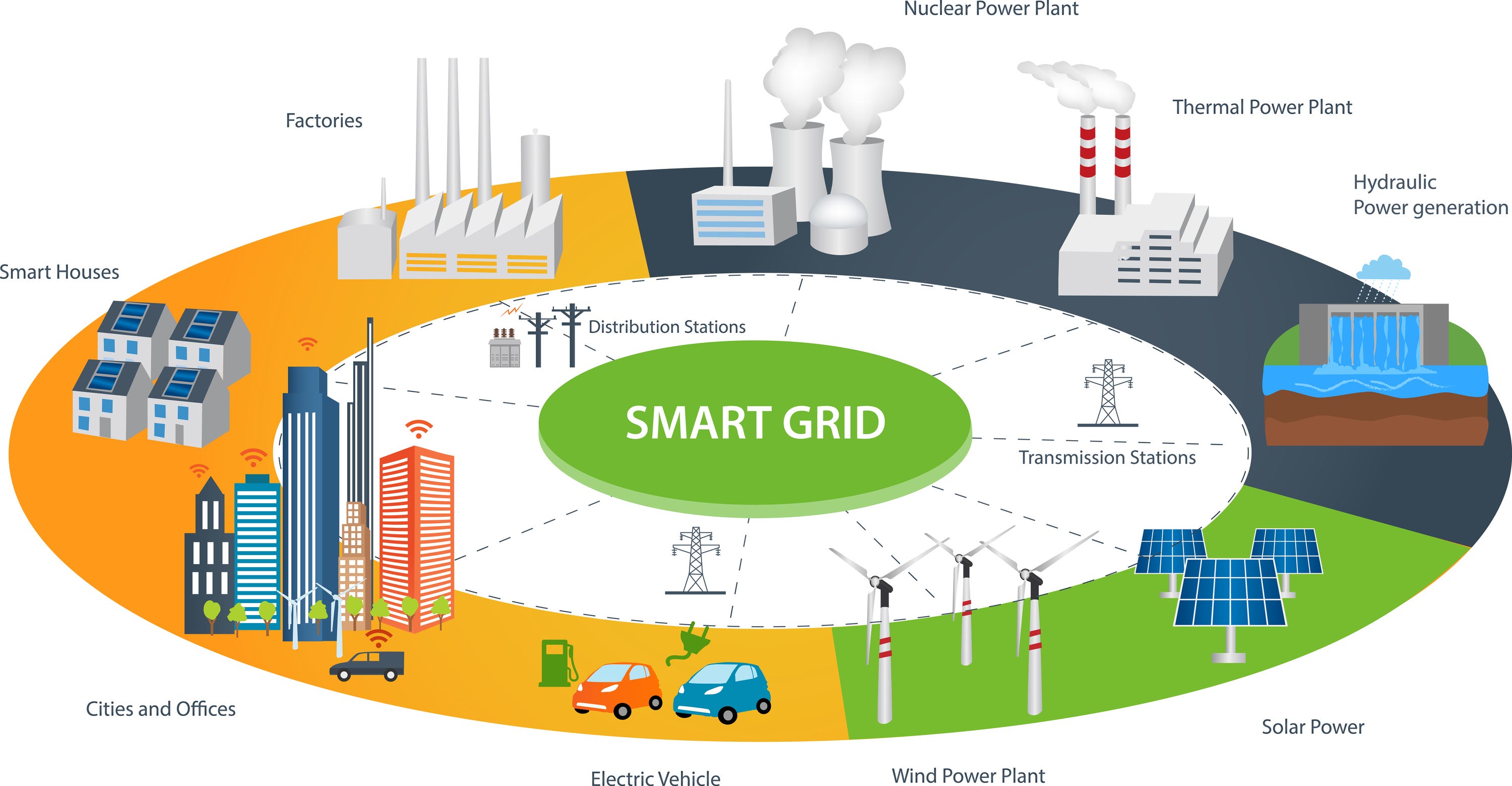
Energy is becoming more complicated, not less. Demand is increasing. Renewable sources are entering the mix. Electric vehicles are placing new demands on local systems. Older grid designs were not built for this kind of complexity.
That is why smart grids matter.
A smart energy grid allows a city to monitor load conditions in real time, detect disruptions faster, and respond more intelligently. Instead of operating as a rigid system, the grid becomes more dynamic and more resilient.
Cities can use smart grids to balance loads more effectively, integrate renewable energy with less instability, and identify outages the moment they happen. That improves reliability without requiring leaders to rebuild the entire system from scratch.
This is a critical point. The future of urban energy is not just about producing more power. It is about managing complexity with better intelligence.
The Hard Trend is clear: urban energy systems will become more digital, more distributed, and more data-driven. Cities that anticipate this shift will gain flexibility. Cities that delay will face higher costs later.
How Can Cities Improve Traffic and Mobility Without Massive New Construction?
Many mobility problems are not caused by a lack of infrastructure. They are caused by poor coordination.
I believe this is one of the most important shifts in smart city thinking. Leaders often assume they need huge new construction projects to improve urban mobility. Sometimes they do. But often, they simply need better synchronization.
Traffic lights, transit systems, commuter data, emergency response routing, and road usage patterns all generate usable insight. When that insight is connected, cities can improve flow without making radical physical changes.
That means traffic signals can adapt to actual patterns, emergency vehicles can be prioritized more effectively, and transit systems can be coordinated with real-time demand. The result is not perfection. The result is better movement using what already exists.
That is a far more strategic approach than reacting to congestion after it has already become normalized.
Why Does Automation Make City Teams Stronger, Not Weaker?
Automation is often misunderstood. In city operations, it is not about replacing people. It is about removing friction.
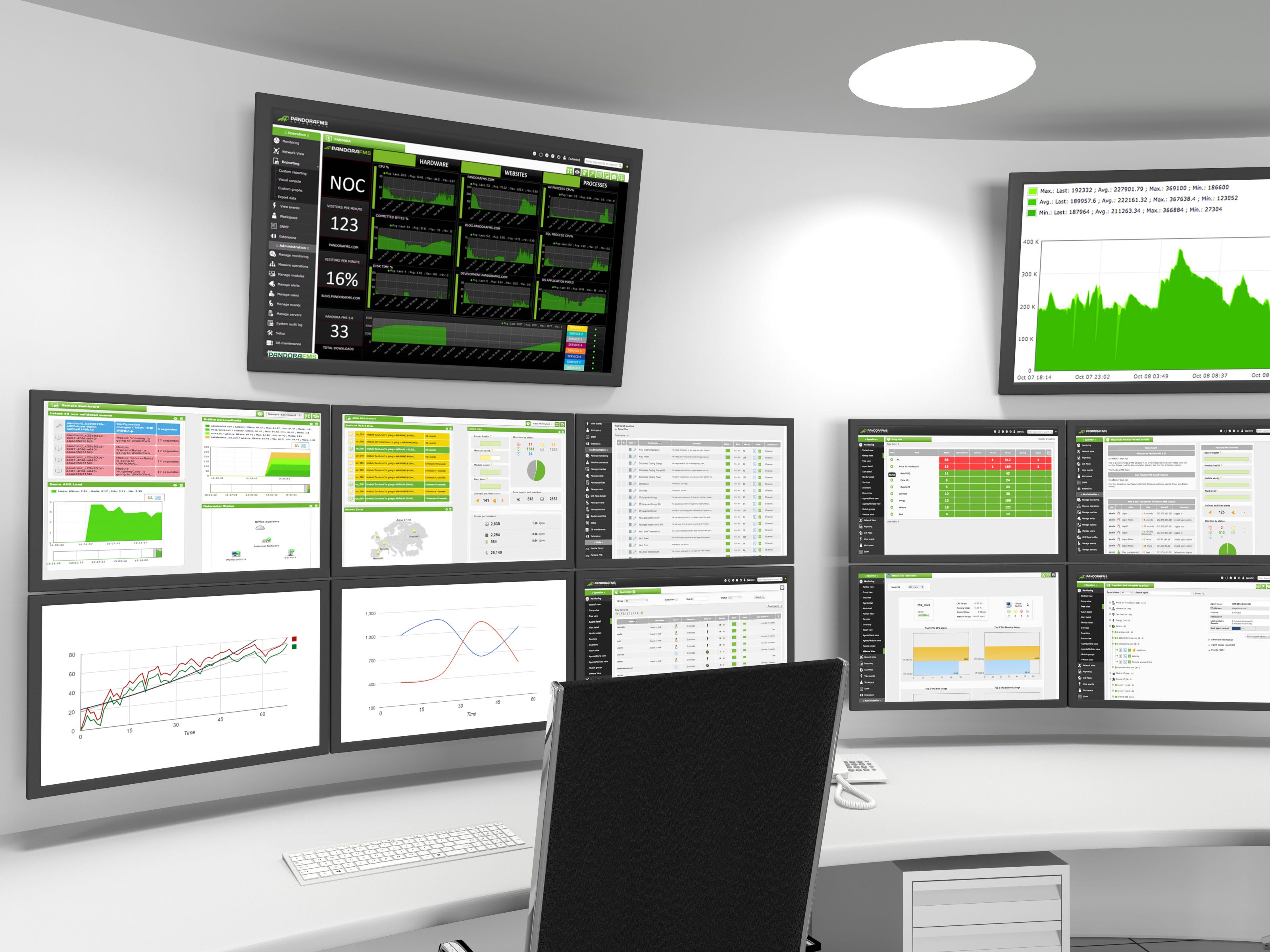
When automated systems monitor infrastructure continuously, they can surface issues the moment they appear. That reduces the need for endless manual checking and frees city teams to focus on judgment, prioritization, and strategic action.
That human-machine collaboration is where the real advantage is found. Machines process signals faster. People provide context, leadership, and decision-making.
A city employee should not have to spend valuable time hunting for the problem if the system can already identify where attention is needed. That is what smart automation does. It improves response speed and helps leaders make better decisions with better information.
The future here is not job loss. It is role elevation.
What Should City Leaders Do Next to Build a Smarter City?
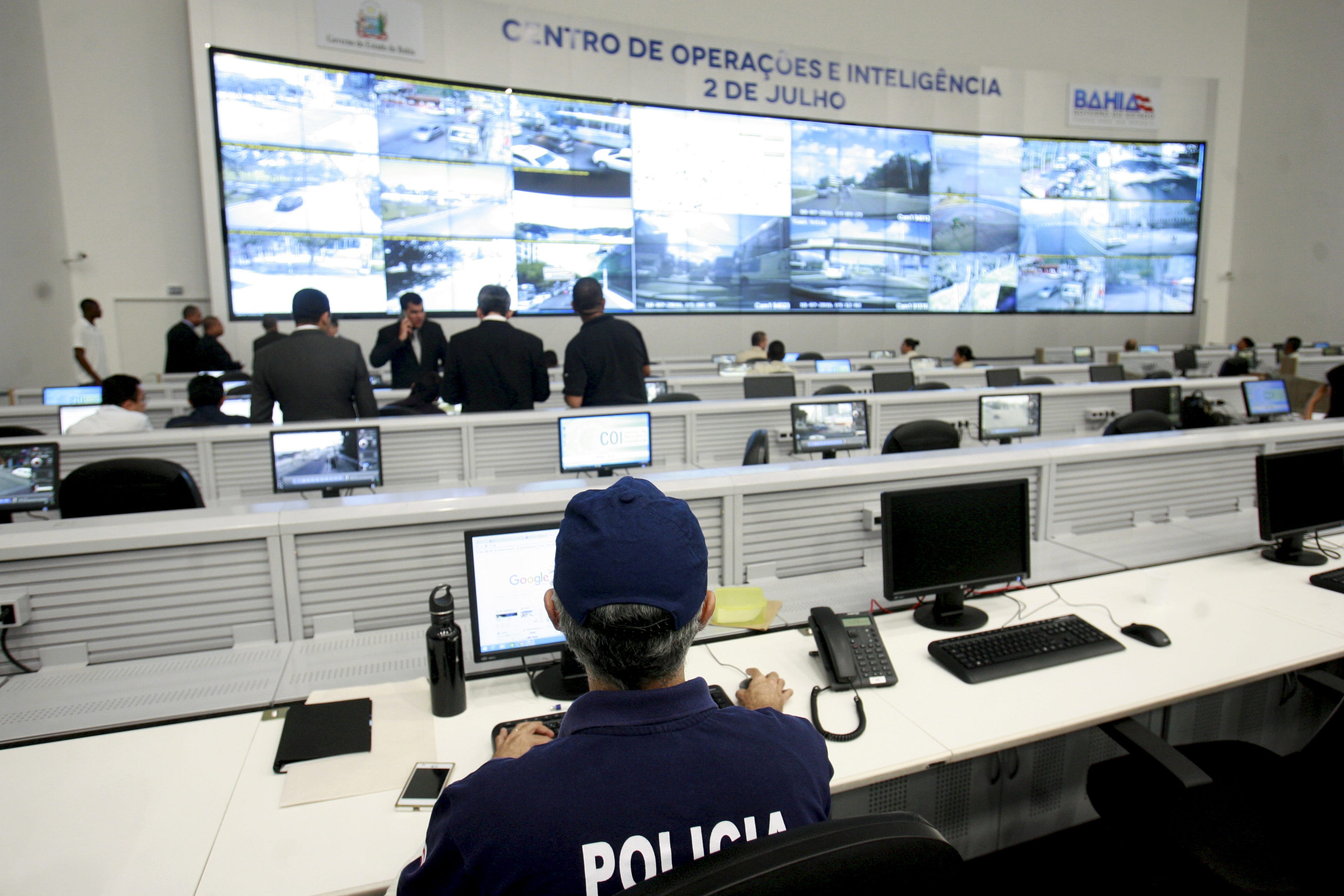
The best city leaders will not chase every trend. They will focus on what is certain and take practical action.
I would begin with three questions:
Where is data already being collected but underused?
Which failures are recurring and predictable?
Which technology-driven Hard Trends are strong enough to guide better long-term investment?
That approach changes the conversation. It moves leadership from reacting to headlines toward acting on certainty.
Smart cities are not built all at once. They are built through deliberate decisions that improve visibility, reduce risk, and extend the value of existing systems. The leaders who win will be the ones who stop treating infrastructure as a fixed burden and start managing it as a dynamic strategic asset.
The future of smart cities will belong to those who anticipate problems before they spread and act before disruption becomes expensive.
How Can You Turn Smart City Change Into Strategic Advantage Now?

Smart city innovation is no longer a someday conversation. It is already reshaping transportation, energy, maintenance, planning, and safety.
That is why I believe leaders need to stop asking whether change is coming and start asking how they will use certainty to shape it. The cities that thrive will not be the ones with the most technology. They will be the ones that use technology with the most clarity.
If you want to turn these infrastructure shifts into a competitive advantage, you need to start with what is inevitable, identify the opportunities hidden inside those Hard Trends, and move before others are forced to react.
You can explore more about my keynotes and advisory work at https://www.burrus.com/